
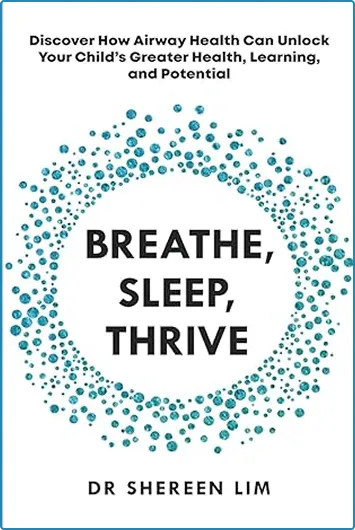
Bst Book

"When a child can’t breathe well, they can’t thrive. The signs are subtle — but they matter. Trust your instincts. This book was made to guide you."

— Dr. Shereen Lim

When No One Seems to Listen

You’ve asked for help — again and again.

But you’ve been told:

“Teeth grinding is normal.”
“Tongue-ties don’t matter if they’re gaining weight.”
“Snoring? That’s cute.”
“They’ll grow out of it.”
“Crooked teeth? Wait until they’re older.”
“Speech therapy? Just give it time.”

Meanwhile, your child is still struggling.
Feeding. Sleeping. Focusing. Regulating emotions.
And deep down, you know it’s not just a phase. You’re not being paranoid.
You’re being protective.
You’re the expert on your child.
And you’re right to keep looking.

Sound familiar?

  • Your child sleeps, but wakes up tired
  • You’ve been told it’s all in your head
  • You’re connecting dots no one else sees

These aren’t just quirks or phases.
They can be signs of deeper issues with breathing and development.
And the earlier we catch them, the more we can change.

Could These Be Early Clues?

Symptoms of Tongue – Tie in Infancy

  • Shallow latch or clicking sounds while feeding
  • Difficulty staying latched or falling asleep at the breast
  • Long, tiring feeds or constant feeding
  • Gassy, refluxy, or colicky behaviour
  • Lip blisters or maternal nipple pain
  • Poor weight gain despite frequent feeds
  • Milk dribbling from the sides of the mouth
  • Early preference for bottles or difficulty with bottle – feeding
  • Trouble holding a dummy or bottle teat in the mouth
  • Frustration or fussiness at the breast

Did you know?

Even if your baby gains weight or feeding isn’t painful, tongue – tie can still impact breathing, sleep, and development later on.

Signs of Oral Dysfunction

  • Shallow latch or clicking sounds while feeding
  • Difficulty staying latched or falling asleep at the breast
  • Long, tiring feeds or constant feeding
  • Gassy, refluxy, or colicky behaviour
  • Lip blisters or maternal nipple pain
  • Poor weight gain despite frequent feeds
  • Milk dribbling from the sides of the mouth
  • Early preference for bottles or difficulty with bottle – feeding
  • Trouble holding a dummy or bottle teat in the mouth
  • Frustration or fussiness at the breast

Did you know?

These signs often go unnoticed — but they reflect poor muscle function and can signal airway issues.

Signs of Poor Jaw Development

  • Narrow or high palate
  • Crowded baby teeth or early loss of spacing
  • Receded chin or weak jawline
  • Gummy smile or lip strain when closing the mouth
  • Long, narrow face shape
  • Dental overbites or crossbites
  • Mouth that stays open, especially during rest or sleep

Did you know?

Jaw growth is guided by tongue posture and nasal breathing.
When those aren’t optimal, the airway — and your child’s health — can suffer.

Day & Night Clues of Poor Sleep

  • Snoring or noisy breathing
  • Restless sleep or frequent position changes
  • Sweating during sleep
  • Mouth breathing
  • Teeth grinding
  • Night waking, terrors, or sleepwalking
  • Wakes unrefreshed despite an early bedtime

Day – Time Clues

  • Difficulty waking in the morning
  • Poor focus or hyperactivity
  • Mood swings, anxiety, or meltdowns
  • Low energy or being labelled “lazy” at school
  • Frequent colds, nasal congestion, or allergies
  • Bedwetting beyond age 5

Did you know?

Most children with sleep – disordered breathing don’t wake up fully during the night — but their sleep is still fragmented and low quality.

Why It Matters

Airway health isn’t just about breathing.
It’s about how your child breathes — day and night.

That affects everything: 

  • Sleep quality
  • Brain development
  • Speech and feeding
  • Emotional regulation
  • Learning and focus

When breathing is disrupted, the body finds ways to compensate.
The result? Behaviours that seem unrelated — until you know what to look for.

The earlier we recognise it, the more we can change.

Why hasn’t anyone told me this before?

You’re not alone. Most health professionals receive little or no raining in oral development, tongue – tie, or airway health. That’s changing — but slowly.

This book exists to help you see what others may have missed — and give you the tools to take action early.

What Parents Say

Trust the Early Signs

You don’t need to wait for things to get worse. The earlier we see the signs, the more we can change. Your instincts are the first step to better outcomes.

Help children breathe, sleep, and thrive — starting today
Because better breathing means better sleep, growth, and thriving futures
Share with friends

Select your desired option below to share a direct link to this podcast.

Share To
Facebook
X
LinkedIn
Pinterest
Mail